

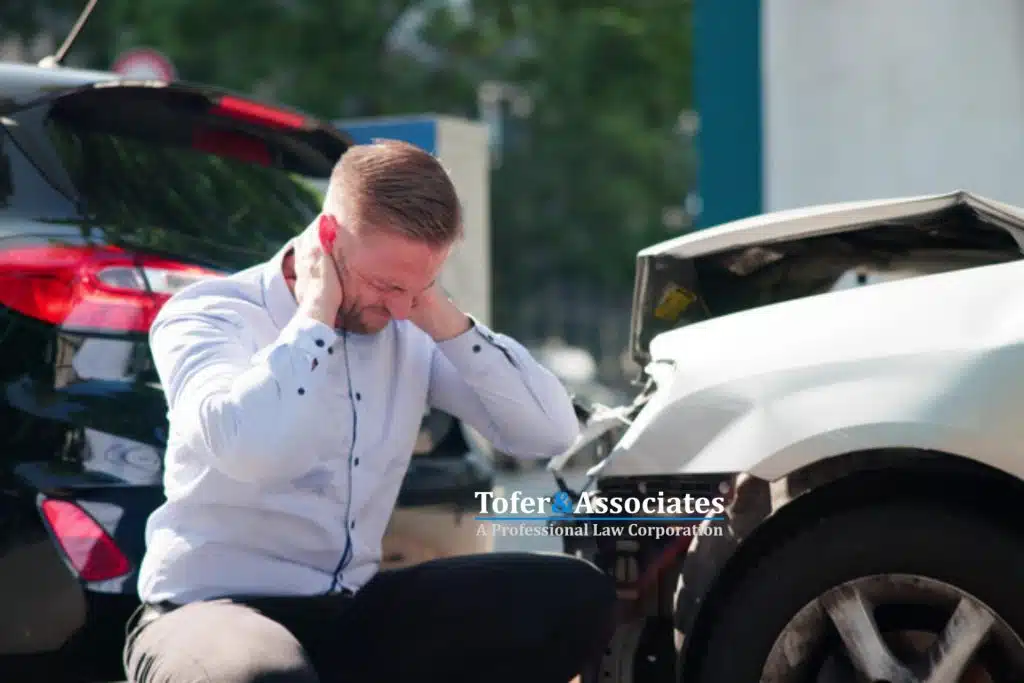
North Carolina is a state shaped by its growing communities, busy roadways, and the everyday routines that keep individuals connected to work, family, and social life. When an accident disrupts that balance, the effects are not always limited to physical injuries. In many personal injury cases across North Carolina, the emotional and psychological impact can be just as significant, influencing a person’s ability to function, work, and maintain relationships.
Mental health consequences such as anxiety, stress, and trauma are increasingly recognized as important components of an injury claim, provided they are properly documented and connected to the incident. These non-physical damages require careful evaluation, often involving medical professionals and detailed evidence to support their inclusion in a claim. Understanding how these factors are considered under North Carolina law is essential for pursuing fair compensation. For more information and support, visit this website to explore your legal options.
Recognizing Psychological Harm After Injury
Your emotional well-being can take a hit in the days after an accident as well. Some people feel anxious, depressed, or fear that interferes with their daily life. Reproaching fears about health, safety, or future welfare frequently come up. These emotions can last 2 weeks or months and interfere with interpersonal relationships and work performance. Emotional difficulties are normal and should be treated as legitimate injuries when they interfere with regular activities.
Common Mental Health Conditions Claimed
Psychological conditions such as PTSS are among the most common causes of injury claims. One of the most prominent is anxiety. After an event, someone can live with relentless anxiety, panic attacks, or agitation. For example, depression is another common one that frequently comes up as signs of lasting emotions like sadness and hopelessness, and a lack of motivation.
Adjustment Disorders and Emotional Trauma
Adjustment disorders can play a large role in difficulty adjusting to new life events due to injury. Potential troubles focusing, sleeping, eating, or being moody. While the physical wounds may heal, the emotional trauma lingers long after. They are evoking a sense of powerlessness or ease to scare the victim. These reactions are common ways to respond to distress, but if they persist, legal claims can address their impact on life.
Sleep Disturbances and Psychological Impact
An injury disrupts sleep or causes insomnia or nightmares. Daily life is plagued by increased fatigue and irritability, and by trouble concentrating when on the oblong table due to poor sleep. Combined, these symptoms can lead to a general deterioration in quality of life. These issues can affect your quality of life and may be compensable if they are related to the incident.
read more : How Injury Lawyers Communicate With Insurance Companies for You
Social Withdrawal and Relationship Strain
Traumatic events are sometimes accompanied by social isolation. When embarrassed or anxious, folks may distance themselves from family, friends, or colleagues. Injuries can also strain close relationships, causing separation between partners or relatives. Absolutely, psychological injuries are not limited merely by content, and when one thinks of the systemic nature of psychological injuries.
The Loss of Enjoyment
Loss of enjoyment refers to reduced pleasure or enjoyment in activities that used to be rewarding. People who have been injured may not take part in hobbies, sports, or social events because of emotional or psychological pain. There’s an injured quality of life that can be compensated for in injury claims. Showing what has changed in day-to-day life is necessary to establish the extent of the emotional damage experienced.
Establishing Psychological Impacts
When claiming for psychological injury, proof is key. Doctor records, notes from your therapist, and letters from mental health providers can be included to back these statements. Also, listening to records or reading personal journals about what these types of people went through in their daily struggles.
Why Acknowledging Mental Health Matters
Awareness of the impacts on mental health ensures that injured parties are fully supported. By treating these psychological symptoms, recovery happens not only physically but also mentally. The consideration of emotional distress in injury claims reflects the actual harm that traumatic experiences may inflict on the lives of individuals.
Conclusion
Injury cases are really not just about actual injury. They should be held to the same standards for emotional repercussions as anxiety, depression, and sleep issues. Identification and assertion of psychological symptoms in legal matters provide the means for true recovery for the individual. Holistic claims acknowledge the full scope of damage and facilitate improved results for survivors of trauma.