
Family history becomes easier to preserve when you can actually see the people behind the names. That is exactly why more researchers now use photo scanning for genealogy to uncover hidden details, protect aging photos, and build stronger family connections.
Many families now choose to digitize photos for family history projects because old photographs often reveal information that written records miss. A faded picture can show where relatives lived, what jobs they had, what traditions they followed, and even how generations resembled one another.
Unlike paper documents, photos tell visual stories. They make family research feel personal, emotional, and real.
Today, family history preservation is no longer limited to birth certificates, census records, and handwritten notes. Visual archives have become just as important in modern ancestry digitization projects.
Why Are Old Family Photos So Valuable for Genealogy?
Old family photos provide clues that help genealogists identify people, confirm timelines, and understand family history more accurately.
Traditional genealogy research focused heavily on written records. While those records remain important, photos often reveal details that documents cannot. A single image may uncover:
- Clothing styles from a specific decade
- Military uniforms and insignia
- Immigration patterns
- Religious traditions
- Wedding customs
- Family relationships
- Geographic landmarks
- Handwritten names, dates, and notes
For example, a photo taken in front of a storefront may reveal the city where relatives once lived. A military portrait might confirm service during a specific war. Even facial similarities between generations can help researchers identify unknown relatives.
This is why photo scanning for genealogy has become such an important part of modern research.
What Types of Photos Help With Family History Research?
Many people think only formal portraits matter. That is not true. Almost every old image can contain useful information. Genealogists commonly work with:
- Printed photographs
- Negatives and film
- Slides
- Scrapbooks
- Polaroids
- Newspaper clippings
- Military photos
- Immigration documents
- Family albums
- Letters containing photos
- Old home videos
Even damaged or faded genealogy photos may still contain valuable historical clues after professional restoration or high-resolution scanning.
Some of the most important discoveries actually come from forgotten boxes stored in attics, basements, closets, and garages.
How Does High-Resolution Scanning Improve Genealogy Research?
High-resolution scans reveal tiny details that standard scans often miss.
Professional-quality scanning allows genealogists to zoom into photos without losing image clarity. This helps uncover details that are difficult to see with the naked eye. Researchers often discover:
- Tiny handwritten notes
- Photographer studio stamps
- Jewelry symbols
- Military badges
- Background landmarks
- Dates printed on borders
- Facial similarities between relatives
These details can help connect missing branches in a family tree. In many cases, photo scanning for genealogy solves mysteries that families struggled with for years.
High-quality scans also improve long-term family history preservation because they create digital copies before physical damage becomes irreversible.
Why Is Digital Preservation So Important?
Old photographs naturally deteriorate over time. The longer they remain unprotected, the greater the risk of permanent damage. Families commonly face issues such as:
- Fading images
- Torn corners
- Mold exposure
- Water damage
- Album adhesive stains
- Color shifting
- Cracked negatives
Once deterioration becomes severe, restoring the original image may become impossible.
That is why many families now digitize photos for family history collections before aging materials disappear completely.
Digital storage also makes sharing easier. Multiple relatives can access the same archive without handling delicate originals repeatedly.
For many families, ancestry digitization is not just about convenience. It is about protecting irreplaceable memories.
How Do Genealogists Organize Digitized Photos?
Answer first. Organized digital files make genealogy research faster, easier, and more accurate. Without proper organization, even large digital archives can become difficult to search. Most genealogists organize collections by:
- Family branches
- Generations
- Historical periods
- Geographic regions
- Immigration timelines
- Military records
- Major life events
Organized genealogy photos allow families to build searchable archives that future generations can continue expanding.
Why Are Negatives and Slides So Important?
Many families ignore old negatives because they cannot easily view them. That is often a mistake.
Negatives frequently preserve more detail than printed photographs. In some cases, the original print faded while the negative remained relatively intact. Digitizing slides and negatives can:
- Recover lost color
- Improve sharpness
- Reveal hidden details
- Restore faded photos
- Create larger enlargements
Genealogists regularly uncover forgotten genealogy photos inside old slide collections that nobody viewed for decades. That is another reason families now prioritize family history preservation through professional scanning services.
How Does Photo Restoration Support Genealogy?
Restoration helps recover details that may otherwise remain unreadable. Old family photos often contain scratches, tears, fading, and discoloration. Restoration can improve image clarity while preserving historical value.
Professional restoration may fix:
- Scratches
- Water damage
- Cracks
- Dust spots
- Fading
- Discoloration
- Torn edges
Sometimes restoration reveals names, faces, or handwritten notes hidden beneath damage.
This can significantly improve genealogy accuracy and strengthen ancestry digitization projects.
How Do Digitized Photos Help Future Generations?
Genealogy is not only about researching the past. It is also about preserving stories for the future. Digital archives allow families to:
- Share collections online
- Build interactive family trees
- Create memorial slideshows
- Produce documentaries
- Preserve oral histories
- Design family history books
Younger relatives often feel more connected to family history when they can see real images instead of only reading documents. That emotional connection is one reason photo scanning for genealogy continues growing in popularity.
Closing Thoughts
Family photos preserve much more than faces. They capture relationships, traditions, locations, emotions, and moments that written records alone cannot fully explain.
Through photo scanning for genealogy, families can uncover hidden clues, organize visual archives, and protect fragile memories before they disappear.
When people digitize photos for family history collections, they create a lasting resource that future generations can continue exploring and expanding.
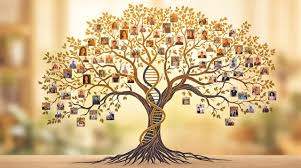
In the end, genealogy becomes far more meaningful when names on a family tree are connected to real people, real places, and real stories.
read more : Electric Golf Carts Charleston SC for Easy Neighborhood Travel