

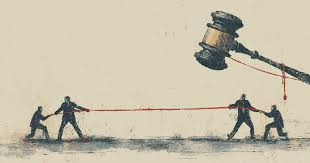
Determining liability in an accident can become especially complex when both parties share some degree of fault. In New York, where comparative negligence laws apply, understanding how responsibility is divided is essential for anyone pursuing a personal injury claim. Rather than placing blame on a single individual, the legal system evaluates each party’s actions to determine their contribution to the incident and adjusts compensation accordingly. Knowing how to prove liability when both parties are at fault requires careful evidence collection, clear documentation, and a strong understanding of applicable laws.
Whether it involves witness statements or expert analysis, every detail plays a role in establishing a fair outcome. Having the right guidance is crucial because these cases often involve nuanced legal arguments and negotiations with insurers. Working with Napoli Shkolnik PLLC can help individuals navigate New York’s legal process and build a well-supported claim that reflects their rights and responsibilities.
Understanding Shared Fault
When both sides are at fault for an incident, it is termed “shared fault.” You analyze what each participant did and to what extent each participant contributed. In such situations, fairness is achieved by assigning each party its fair share of responsibility in proportion to its involvement.
The Role of Comparative Negligence
In these cases, comparative negligence assists courts in apportioning blame. You will be assigned a percentage of fault for all involved parties. If both are equally at fault, they will each be apportioned fifty percent of the responsibility. The end score or penalty is modified based on these ratios.
Gathering Evidence
That means you need strong evidence to prove liability. Pictures, witness accounts, police reports, and video to illuminate what took place. They are necessary to identify the putative harm, the actions that cause and prevent it, and the relevance of those actions.
read more : Tips for Choosing the Right Financial Assistance for Your Case
Analyzing Actions and Decisions
All aspects before, during, and after the event are scrutinized. Investigators examine the actions of each individual involved and whether those actions comply with the law and reasonable standards. It is easy to see that things like ignoring a traffic sign or failing to maintain equipment would have drastic consequences.
Witness Accounts and Testimonies
Eyewitnesses often provide valuable insights. Their voices provide context for the disorienting bits. Uncontested comments by independent witnesses, whether in writing or not, may have the greatest impact on liability.
Expert Opinions
Experts like accident reconstructionists or engineers investigate the scene. It helps to explain the technicalities that may not be apparent to them. The opinions lead judges or juries to assign fault fairly.
Legal Standards and Rules
Whatever the situation, it is compared to the rules and regulations. Laws set expectations for behavior. Not meeting these benchmarks can imply blame. Courts look to see whether or not each party acted as a reasonable person would under the same circumstances.
Comparing Damages and Losses
Once the fault is apportioned, the resulting damage done to each party is established. This includes expenses such as medical bills, lost wages, property repairs, and emotional distress. The total compensation reflects the extent of the damage and the share of each person who claimed reimbursement.
Insurance and Settlements
Whether one party shared the fault or traced it entirely to themselves, many of these cases involve insurance companies. Reviewing evidence and negotiating settlements are the adjusters’ tasks. These negotiations take a while, as each side wants to be treated fairly in proportion to their level of involvement.
Documentation and Record Keeping
Keeping detailed records makes a case much stronger. Then, photographs, receipts, medical reports, and repair estimates can establish a timeline and demonstrate the impact on each party. Careful documentation substantiates these claims and helps ensure equitable outcomes.
The Importance of Timely Action
Quick, considered action is vital following an incident. As time passes, evidence can be lost, and details forgotten, so that any further delay can be detrimental. The earlier these issues are reported, and the more information is available, the better the chance of a fair and accurate resolution.
Communication and Cooperation
In fact, the best way to resolve a dispute is often through a frank conversation between the relevant parties, without the need for protracted litigation. Working together might drive shared responsibility and even reparation. Even in disagreements, keeping communication lines clear usually resolves things faster.
Conclusion
Splitting blame when both sides are culpable is no simple matter and requires careful management. Indications of guilt, expertise, and profanity clarify blame. But as long as the disciplinary process seems fair and is properly documented, those involved can work to resolve it.