

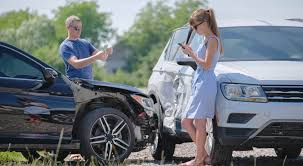
Everett is a city where constant movement defines daily life, from busy commuter routes to neighborhood streets filled with local traffic. With so many vehicles on the road, accidents can happen quickly, often leaving those involved with conflicting accounts of what actually occurred. In these situations, determining the truth becomes critical to advancing a claim, especially when drivers recall events differently or disagree on key details. This is where outside perspectives can play an important role, offering clarity when uncertainty threatens to delay or complicate the process.
Independent observations can help piece together what happened in a way that supports a fair evaluation of the circumstances. An Everett car accident lawyer at Murphy Trial Law can use these accounts effectively, ensuring they are properly documented and presented to strengthen your position and protect your interests when it matters most.
The Importance of Witness Testimonies
People who are not involved in the accident can provide an unbiased perspective. Their statements are usually from observers of the incident, not from those involved. They confirm or refute the narrative drivers tell. Insurance firms and authorities frequently rely on witness statements to verify the accounts of those involved in/around the accident.
Establishing the Sequence of Events
Witnesses contribute to piecing together the chain of events before, during, and after the impact. They see things that drivers might not see simply because they are in shock or confused. Witnesses help adjusters or lawyers build a timeline by sharing what they saw. It improves clarity about fault and supports an unbiased claims process.
read more : Tips for Choosing the Right Financial Assistance for Your Case
Corroborating Statements and Physical Evidence
Witnesses can also try to determine whether there was sudden braking or erratic driving just before the impact. They can also compare the physical evidence at the accident scene or refute it. Alignment between two documents reinforces the credibility of the claim.
Influence on Liability Decisions
Sometimes, it can be tricky to determine who is liable when two drivers tell different stories. Third-party observers can provide an outsider perspective to break a deadlock. Adjusters or legal teams can use these statements to more accurately determine fault. It results in a more objective assessment of assertions.
Addressing Fault Disputes
Liability disputes are commonplace in car accident claims. Often, it involves a dispute over whether a traffic signal was run or whether a driver failed to yield. Witnesses can clear this up. They offer fresh perspectives by either supporting or contesting the parties’ claims. Such input can help resolve disputes and fast-track settlements.
Impact on Claim Outcomes
A solid witness statement can have a significant impact. If witness accounts corroborate one set of events over another, insurance adjusters may rule differently. In legal cases, judges or juries also consider credible testimony when making a decision. While it may be difficult, well-documented cases make a good shot at a fair outcome.
Evaluating Witness Credibility
The message is equally about credibility as well as the statement’s contents. Adjusters consider the witness’s vantage point and attentiveness, as well as the witness’s relationship to the parties involved. This makes statements from individuals who have worked to clear their views and have no personal interest in the election seem more credible. Thus, the more consistent and detailed the testimony, the greater its weight.
Challenges with Witness Testimonies
Witnesses do not recall events the same way as liable parties or claimants. Memories blur, and points of view tend to change depending on where you are standing. There may be discrepancies in the statements that warrant further investigation. Though witness accounts are extremely valuable, they should be weighed against other evidence to achieve a holistic perspective.
Collecting and Presenting Witness Statements
Collecting witness information promptly is critical. Memory preservation and the reduction of a great deal of confusion are made possible when accurate information and timely statements are maintained. These reports are typically recorded at the scene by police officers or legal representatives. Having documents in order will mean statements can be referenced if any questions arise during the handling of a claim.
Conclusion
The role of witness accounts in car accident claims is paramount. They ensure that events are clarified, disputes are resolved, and deal-making is equitable. Though memories and perceptions can be unreliable, the inclusion of witness statements alongside physical evidence and technology yields a more precise conclusion. Knowing how witness testimony can steer us can lead us to enhance these perspectives in the claims process.