

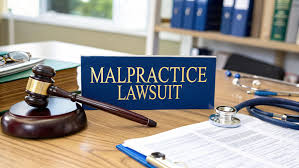
In New Jersey, access to advanced healthcare facilities and highly trained professionals is a defining part of everyday life, yet even in such a well-developed system, medical errors can and do occur. When they do, patients are often left dealing with not only physical and emotional consequences but also uncertainty about what steps to take next. The legal framework in New Jersey is particularly structured for malpractice claims, requiring careful attention to procedural rules, documentation standards, and expert validation before a case can proceed. For individuals already coping with the aftermath of a medical mistake, this process can feel overwhelming without the right direction.
Understanding how to approach a malpractice claim strategically—from early evidence collection to working with credible experts—can significantly influence how a case unfolds. It’s not just about proving something went wrong, but about presenting it in a way that aligns with legal expectations in the state. If you’re considering your options, it may help to visit website resources that outline your rights and connect you with professionals equipped to guide you through each step with clarity and confidence.
Gather Relevant Documents
You must collect all relevant documents, such as medical records, prescriptions, and test results. A comprehensive history of symptoms, management, and interactions with doctors only adds to a case. Notes that are written, along with completed appointment summaries.
Seek a Second Medical Opinion
A second opinion can help determine if a mistake was made in diagnosing, treating,g or performing a surgery. An outside healthcare provider’s view provides an impartial view of the care received. This step may provide more information, offering context for the incident that will help determine whether negligence occurred. Testimony from a medical professional can also help support arguments for damages or negligence.
Understand Time Limits and Deadlines
Every legal claim must be brought within a limited time frame, or the statute of limitations will expire. It is up to individuals to educate themselves on those deadlines, or they may miss their chance to receive restitution. If they miss the filing deadline, they may lose their right to proceed with the case. Legal resources or experts can clarify the timetable of each location.
read more : How Injury Lawyers Communicate With Insurance Companies for You
Consult an Experienced Attorney
Attorneys help lay the foundation for an effective malpractice suit. Attorneys who practice in this area know the process and requirements necessary to win. Expert help prevents inexperience from leading to procedural mistakes and instead helps claimants focus on the most relevant aspects of their case. This allows the attorneys to better assess the case, secure expert witnesses, and prepare a case for evidence admission.
Identify All Responsible Parties
Some medical errors involve multiple healthcare providers or facilities. Leave no doubt about who the other potential causes of harm were. This can include physicians, nurses, technicians, or facilities that have had any involvement in the patient’s care and treatment. Another reason to list them all is so that the demand is comprehensive to the nature of the event.
Calculate Potential Damages Carefully
Malpractice Claim A malpractice claim is typically for payment of medical costs, lost income, pain, and suffering. Estimating these losses accurately is critical to fair recovery. Collecting items such as receipts and wage statements substantiates a claim for lost wages. Accounting for short- and long-term expenses gives a fuller vision of the impact on the patient’s life.
Secure Expert Testimony
Expert witness testimony is key to malpractice cases. They can break down complex problems for you and clarify whether or not your standard of care was met by your medical professional. The testimony of these professionals provides judges and juries with essential insight into technical details that might otherwise go unnoticed. As a claim of the respective field.
Communicate Clearly and Honestly
Have transparency and honesty when speaking about the case, when talking to a legal representative, or during proceedings. Accurate information will give attorneys the information to prepare accordingly and be ready to argue these issues! Finally, effective communication ensures that all the facts are present and that there is no confusion or bypassing of them.
Conclusion
A successful medical malpractice case requires preparation, diligence, and expertise. By following these straightforward recommendations, claimants may be able to formulate a compelling argument and increase their chances of receiving justice. But if things go awry, navigating the process can be extremely challenging, and remaining organized and informed can help individuals and families address suffering medical errors.