
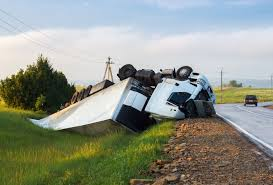
Chicago’s vast network of highways and freight routes keeps the city constantly in motion, but that same energy also increases the likelihood of serious trucking incidents. With heavy commercial vehicles navigating tight urban turns, crowded expressways, and unpredictable Midwest weather, rollover crashes remain one of the most dangerous threats on the road.
These accidents are rarely minor; they often involve violent impact forces, multi-vehicle collisions, and injuries that can alter the course of a victim’s life. Understanding rollover truck accident injuries becomes especially important in a city where traffic density and logistics activity intersect daily. From identifying the causes behind these crashes to recognizing their long-term consequences, awareness can make a meaningful difference after an accident. In such complex situations, seeking legal help with your truck accident case at Choose Charlie can provide the clarity and direction needed to move forward with confidence.
How Rollover Truck Accidents Happen
Once tipped over, large trucks are more prone to rolling over than smaller vehicles because of a higher center of gravity. Tight turns, swerving abruptly, or running into something will throw the car off balance. If the truck carries a heavy load or the cargo is unevenly distributed, it is more likely to roll onto its side or roof. Rainy or windy weather frequently leads to these accidents. Other circumstances, such as fatigue, distraction, or speeding by a driver, can substantially contribute to those inherent risks.
Common Rollover Truck Accident Injuries
There are different types of injuries that people involved in these accidents can experience, ranging from mild to severe. If the car hits a wall or a tree hard, people often get head trauma from such force. In these cases, concussions, skull fractures, and brain injuries often result. Rollover forces typically lead to broken bones, most notably in the arms, legs, and ribs. Shattered glass and debris can also cause cuts, scrapes, and bruises. Major trauma to the spine can result in spinal cord injury and paralysis.
Emotional and Psychological Effects
A person might be left with a host of physical injuries following a rollover truck accident, but injuries are only one part of the concern. Survivors struggle with depression, anxiety, and PTSD. Daily life is disrupted by flashbacks, sleeplessness, and aversion to riding in vehicles. With assistance from mental health specialists, you can subdue these sensations and regain the ability to work daily. The family also has to guide them to heal emotionally.
What To Do Immediately Following A Rollover Truck Accident
This aspect of a car crash must be addressed first; it really is about safety. To limit the risk of fire and secondary collisions to the damaged vehicles. Look for injuries to make sure everyone is okay, and call 911 for medical help. Photos of the scene, the cars’ locations, and the road’s condition are collected for future investigations. Having the contact details of witnesses can be beneficial during any potential legal or insurance process. A statement of fault is best avoided, as it secures the rights of all parties until authorities take over.
Medical Assessment and Ongoing Care
Even if you think your injuries are not serious, it is important to get medical attention as soon as possible. Other injuries, like internal bleeding or head injury, may take time to present symptoms. Doctors use various diagnostic tools to identify hidden injuries and recommend appropriate treatments. Follow-up appointments are there for recovery monitoring and the identification of possible complications. Therapists and physicians collaborate with their patients to create recovery-oriented rehabilitation plans. Following these plans contributes to optimal healing outcomes.
Long-Term Recovery and Support
It may take weeks, months, or even longer for life to return to normal after a rollover truck accident. Following serious injuries, physical therapy helps restore strength, mobility, and function. Psychological counseling helps relieve emotional distress and creates coping skills to cope with the lasting burden. Support groups can connect survivors and families coping with similar challenges, offering solace and support.
Prevention and Future Preparedness
Through caution and safe driving practices, the chances of rollover truck accidents can be minimized. Each time you drive, a vehicle inspection is equally vital, as are proper cargo loading and following speed limits. Better reaction time and hazard identification outcomes due to available training and education for the drivers. Remaining alert in the cab and avoiding distractions goes a long way toward saving lives on crowded roadways. Local initiatives for infrastructure development, such as safer intersections and road signs, also reduce the likelihood of accidents.
Conclusion
Rollover truck accidents have immediate and long-term impacts on individuals and families. If you know how these incidents occur and the kinds of injuries they cause, you will also have better ideas for protecting yourself. Immediate response, comprehensive medical treatment, and continuous support are all integral steps to the recovery process. As long as we are aware and wear our masks, fewer of these tragic events will happen.